Training
- The Royal Ballet School
Repertoire
- Odette/Odile
- Juliet
- Giselle
- Aurora
- Manon
- Cinderella
Promotions
- 2012First Artist
- 2014Soloist
- 2016First Soloist
- 2017Principal
Awards
- 2009Young British Dancer of the Year — BBC
Biography
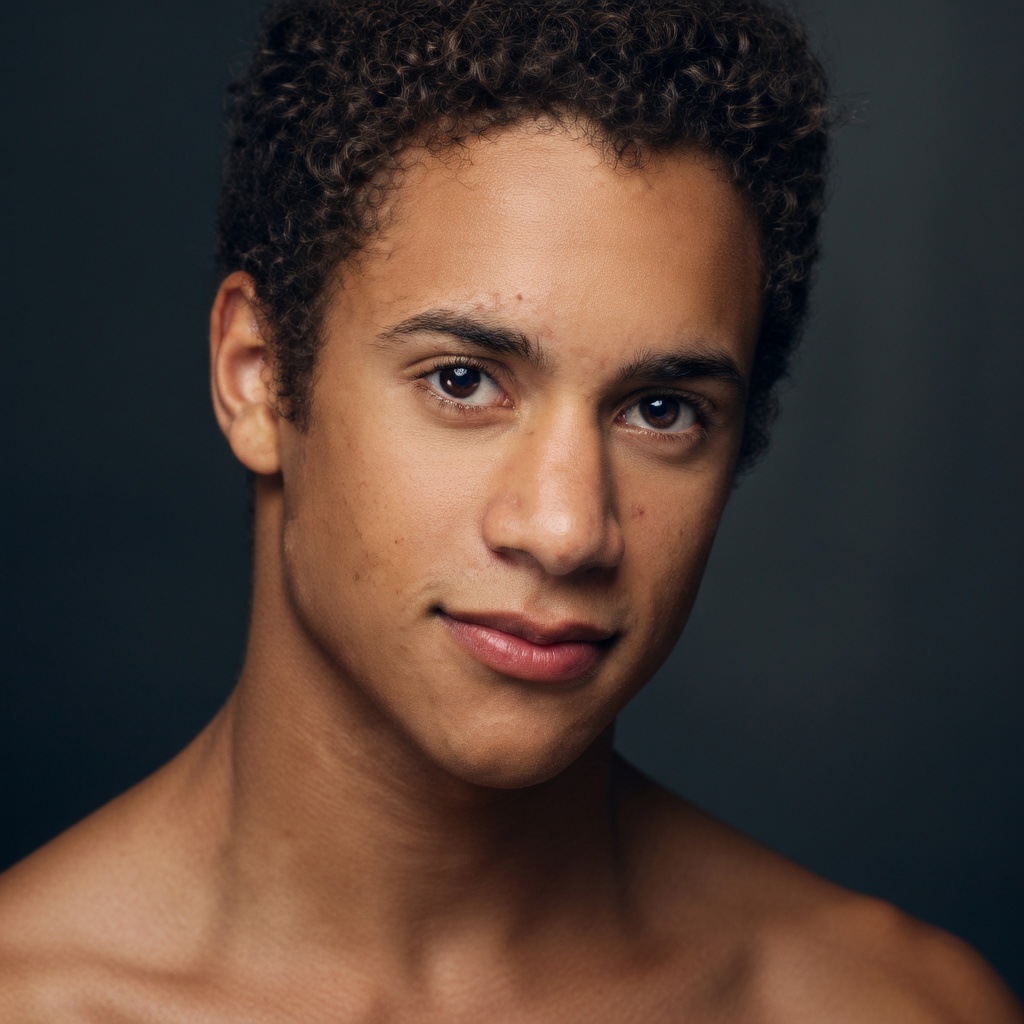
Yasmine Naghdi is a Principal of The Royal Ballet, born in London and trained at The Royal Ballet School from White Lodge through the Upper School. She joined the Company in 2010, rising through the ranks as First Artist (2012), Soloist (2014), First Soloist (2016), and Principal in 2017 — one of the fastest ascents to Principal in the Company's recent history.
Naghdi is recognised above all for the purity and clarity of her classical technique, combined with an expressive warmth and dramatic conviction that have made her interpretations of the major ballerina roles among the most admired of her generation. Her portrayals of Odette/Odile in Swan Lake, Giselle, Aurora in The Sleeping Beauty, Juliet in Romeo and Juliet, Manon, and Cinderella have drawn consistent critical acclaim.
She won Young British Dancer of the Year in 2009 and was nominated for Best Female Dancer at the Critics' Circle National Dance Awards in 2018. Her created roles include Valentino Zucchetti's Prima and Gemma Bond's Boundless.
Naghdi's partnership with Principal Marcelino Sambé has been a defining feature of The Royal Ballet's repertory in recent seasons, extending across major classical and narrative works.