William Bracewell
Training
- Pamela Miller Ballet School
- The Royal Ballet School
Repertoire
- Prince Siegfried
- Romeo
- Prince Florimund
- Des Grieux
- Onegin
- Franz
Promotions
- 2012First Artist (Birmingham Royal Ballet)
- 2014Soloist (Birmingham Royal Ballet)
- 2017Soloist
- 2018First Soloist
- 2022Principal
Awards
- 2007Young British Dancer of the Year — BBC
- 2010Grand Prix — Youth America Grand Prix
- 2015Outstanding Male Performance (Classical) — Critics' Circle National Dance Awards
- 2023Best Male Dancer — Critics' Circle National Dance Awards
Biography
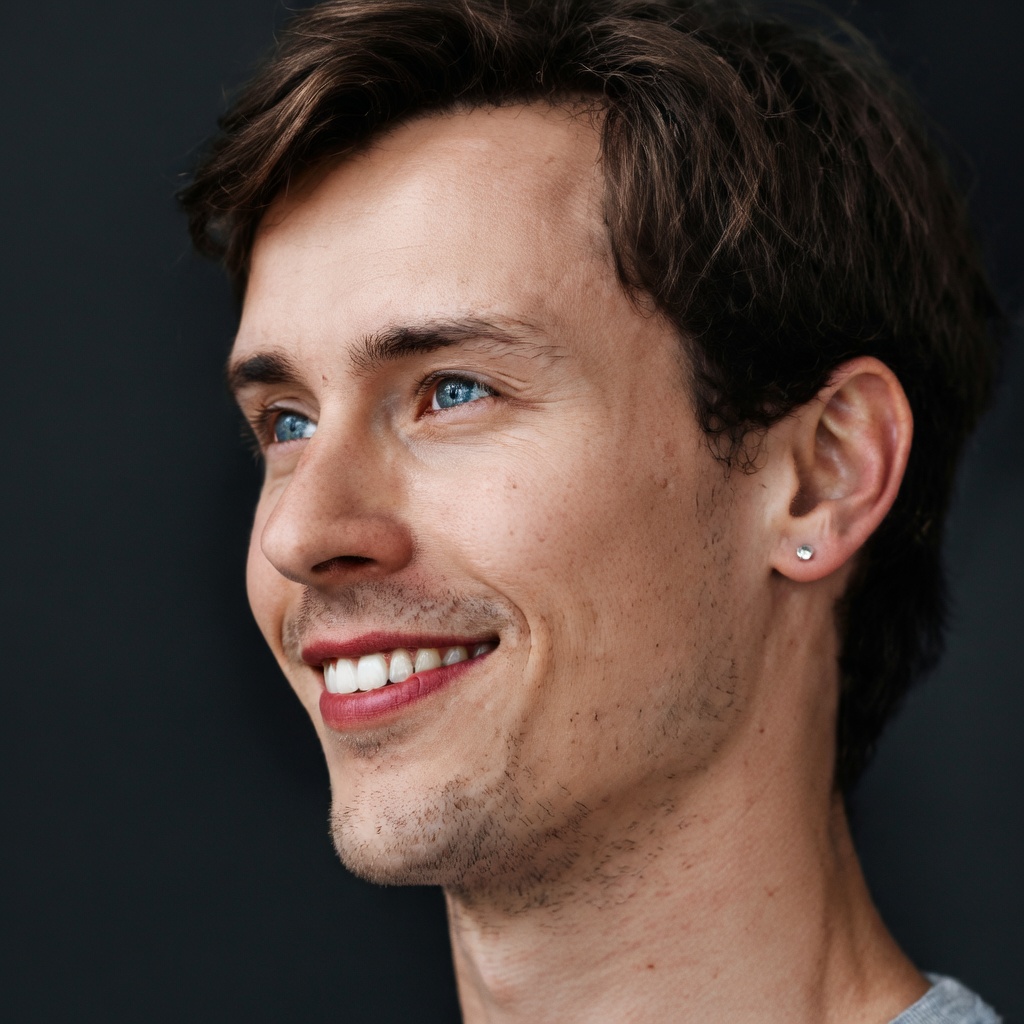
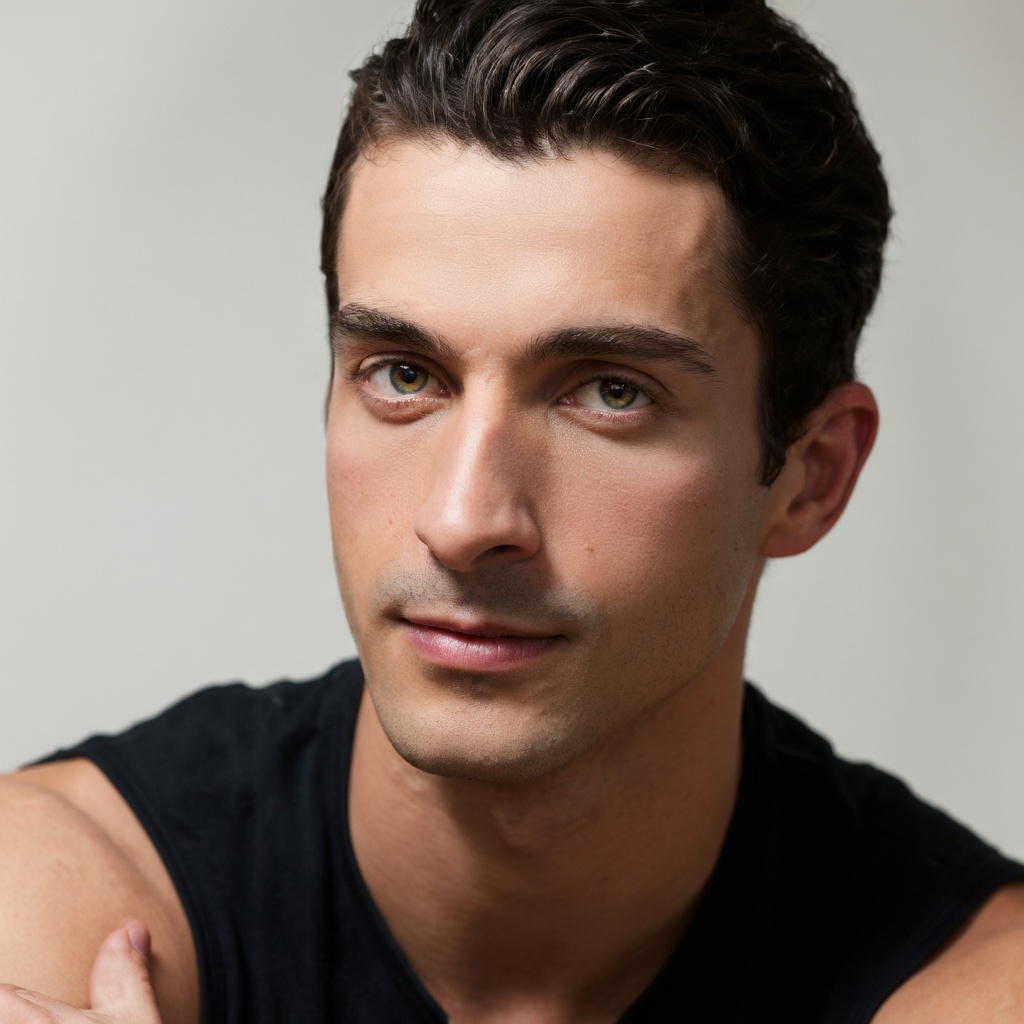
William Bracewell is a Principal of The Royal Ballet, born in Swansea, Wales. He trained at the Pamela Miller Ballet School before entering The Royal Ballet School at age eleven. He won Young British Dancer of the Year in 2007 and the Grand Prix at Youth America Grand Prix in 2010, joining Birmingham Royal Ballet that year.
At BRB, Bracewell was promoted to First Artist in 2012 and Soloist in 2014, building a strong classical base before joining The Royal Ballet as Soloist in 2017. He was promoted to First Soloist in 2018 and Principal in 2022, receiving recognition from the Critics' Circle for Outstanding Male Performance (Classical) in 2015 and Best Male Dancer in 2023.
His repertory at The Royal Ballet includes Prince Siegfried in Swan Lake, Romeo in Romeo and Juliet, Prince Florimund in The Sleeping Beauty, Des Grieux in Manon, Onegin, and Franz in Coppélia. He has also created roles in works by Jessica Lang, Alexander Whitley, and David Bintley.
Bracewell is known for the commanding authority and clean classical line he brings to the major male roles, combined with a warmth in partnership that has made him a prominent presence in the Company's principal casting.
Performances
Filter by Role