Payload Logo

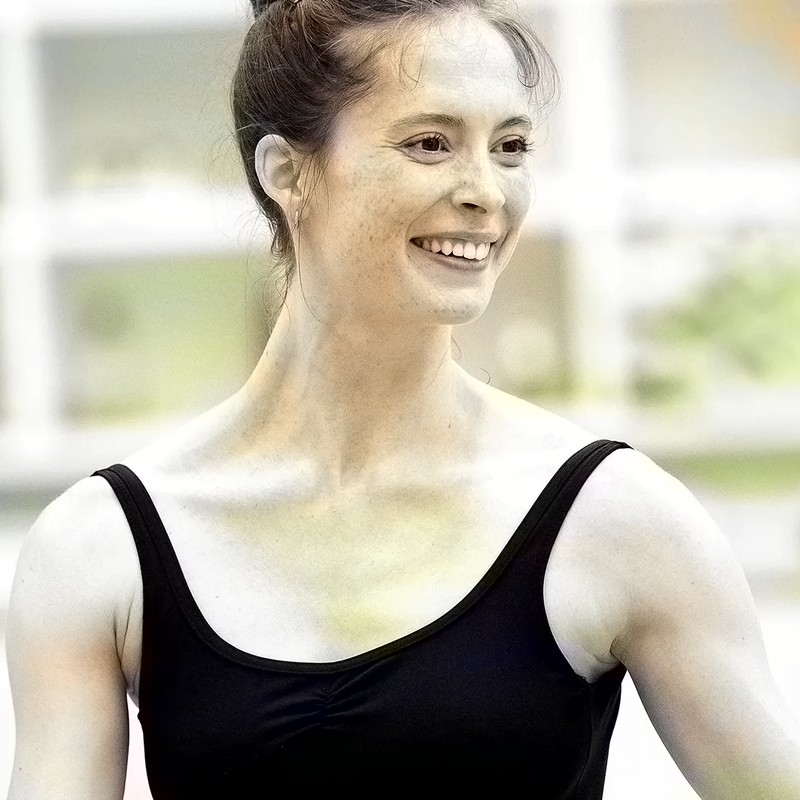
Emma Hawes is currently listed by English National Ballet as a Lead Principal. Emma Hawes is a Lead Principal of English National Ballet whose biography reflects a North American training route followed by rapid ascent in major companies on both sides of the Atlantic. English National Ballet’s official profile states that she was born in Delaware, Ohio, trained at BalletMet Dance Academy in Columbus and then at Canada’s National Ballet School, and danced previously with The National Ballet of Canada. She joined English National Ballet in 2018, was promoted to Principal in 2022 and to Lead Principal in 2023. ENB also records that in 2012 she represented The National Ballet of Canada in the Erik Bruhn Prize and won the Audience Choice Award for favourite female competitor, an early indication of both technical visibility and audience appeal.

Her current repertory at ENB is extensive and strongly weighted toward leading women’s roles. The official profile lists Manon and Lescaut’s Mistress, Odette/Odile in Swan Lake, Raymonda, Giselle, Cinderella and the principal woman in Theme and Variations, alongside creations in Senseless Kindness, Four Last Songs and Creature. It also notes work in repertory by Forsythe, Peck, Roland Petit, Neumeier, Kudelka, Crystal Pite, Johan Inger, Robert Binet and Wayne MacGregor, as well as guest appearances with the National Ballet of Canada, the Royal Danish Ballet and the Kazakh National Opera and Ballet Theatre. Recent criticism around ENB’s Akram Khan Giselle has further reinforced her dramatic presence by singling out her Myrtha as a memorable force within that production’s dark, contemporary world.

Taken together, those details portray Hawes as a dancer whose artistry has been shaped by broad institutional exposure rather than a single-school or single-company identity. The Ohio and Canadian phases of training, the period with National Ballet of Canada, and then the acceleration at ENB suggest a performer who arrived already well equipped technically and then expanded into fuller dramatic centrality in London. Her biography also indicates a rare breadth: full-length classics, Balanchine abstraction, major new creations and psychologically intense contemporary roles all sit side by side in her repertory. That range, combined with fast promotion inside ENB, helps explain why she now occupies the company’s top female rank and why she has become one of its most important ballerinas in both heritage and newly evolving repertory.

Performances